

Guest article written by John Perkins
For many years, public health organizations and educators have advocated for including CPR and basic first aid training in school curricula. The International Liaison Committee on Resuscitation highlighted the importance of these skills in 2003, and the American Heart Association has continued to recommend that both teachers and secondary students receive practical training in cardiopulmonary resuscitation (CPR) and first aid. Teaching these lifesaving techniques in schools builds a foundation of preparedness that benefits the entire community.
Despite broad professional support, state-level interest and requirements for CPR instruction vary widely. Some states mandate comprehensive training for school staff and students, while others only expect students to be able to recognize the steps of CPR. Recognizing the steps is not the same as performing effective compressions, administering rescue breaths, or using an automated external defibrillator (AED). Practical, hands-on training develops the ability and confidence to act in an emergency, which is essential to improving survival from out-of-hospital cardiac arrest and other crises.
Common barriers to implementing school-based CPR and first aid programs include limited funding, tight school schedules, and the challenge of scheduling qualified instructors. These obstacles are real, but they are surmountable. Rather than viewing training as an optional add-on, districts and policymakers should consider it an investment in public safety. Increasing the number of people in a community who are comfortable and competent performing CPR and administering basic first aid multiplies the chances that a bystander will step forward during an emergency.
Modern Methodologies
Traditional CPR certification courses typically involve several hours of instructor-led, hands-on practice. While this approach is effective, it can be difficult for schools to accommodate the time and cost requirements. Recent educational research and pilot programs have shown that blended learning approaches—combining short, focused multimedia lessons with targeted hands-on practice—can deliver strong outcomes while reducing scheduling and cost burdens.
Short, multimedia classroom sessions or online modules can efficiently cover foundational knowledge, such as the signs of cardiac arrest, the importance of early CPR, how and when to call emergency services, and how to operate an AED. Following that with a brief hands-on skills session allows students and staff to practice chest compressions, breaths, and AED use under the supervision of a trained instructor. This blended model increases retention, reduces instructional hours, and makes it easier for schools to offer regular refresher training, which is vital to maintain confidence and competency over time.
Adopting modern instructional tools also helps districts scale training across many schools. Video demonstrations, interactive simulations, and virtual practice can prepare learners before they ever touch a training manikin, so in-person time is concentrated on technique and feedback. These methods make CPR and first aid education more accessible, affordable, and sustainable.
A Recent Case
A notable example of legislative action occurred in Virginia, where lawmakers required teachers seeking new licenses or license renewals to show proof of CPR and first aid training. School boards also gained the authority to require bus drivers to complete similar training. The state phased in additional requirements so that ninth graders would receive CPR instruction before graduation by the 2016–17 school year. This step-by-step implementation model demonstrates how states can expand training requirements over time while providing schools the lead time needed to build training capacity.
Virginia’s approach highlights an important point: effective public policy and school-level planning can work together to increase CPR and first aid coverage. When districts partner with local health organizations, emergency medical services, and certified instructors, they can create tailored programs that fit budgets and schedules while meeting quality standards for instruction.
The long-term benefits of embedding CPR and first aid training in schools are significant. Students who learn these skills carry them into adulthood, increasing the likelihood that someone with the ability to respond will be present when an emergency occurs. Teachers and school staff trained in CPR and first aid can act immediately and confidently, reducing delays in care. Beyond the immediate lifesaving potential, widespread training fosters a culture of preparedness and resilience within communities.
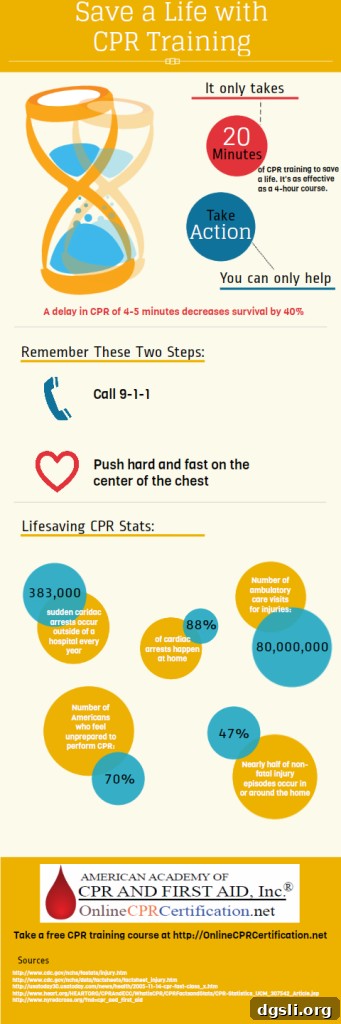
Implementing effective CPR and first aid education in schools requires commitment, planning, and use of modern teaching methods. By addressing funding, scheduling, and instructor availability with creative solutions—such as blended learning and partnerships with community health providers—schools can prepare students and staff to act decisively in emergencies. Expanding access to these skills helps protect lives, strengthens communities, and ensures that when seconds matter, more people are ready to help.
About the author:
John Perkins works as a marketing manager with OnlineCPRCertification.net and writes about health, wellness, and public safety. In his free time he enjoys wakeboarding, attending concerts, and cooking with fresh, seasonal ingredients.