
Summit K12’s Dynamic Science curriculum, adopted for the 2024 Texas Science proclamation, is a comprehensive K–12 science program built to transform how science is taught across Texas. Covering elementary, middle school, and high school Biology, Physics, and IPC, the curriculum blends hands-on investigations, literacy-rich resources, and personalized learning pathways to support teachers and students with modern, standards-aligned materials.
In this feature, John Kresky, founder and CEO of Summit K12, describes the program’s goals, authorship, partnerships, and supports for multilingual and special needs learners throughout Texas and beyond. He explains how the Dynamic Science suite integrates TEKS-aligned phenomena, virtual field investigations, interactive simulations, and scaffolded assessments to give every student a chance to succeed.
Robyn Shulman: Mr. Kresky, can you provide a high-level description of Summit K12 and its mission?
John Kresky: Summit K12 was founded to ensure every student can succeed when instruction is tailored to individual learning needs. Our materials help teachers differentiate instruction, monitor progress, accelerate learning, and provide accommodations so science and English language learners receive the support they need to meet state standards and thrive academically.
Shulman: What inspired the founding of Summit K12 in 2015?
Kresky: I started Summit K12 with the vision of creating an education publisher rooted in Texas practice and priorities. From the beginning, the goal was to empower teachers to deliver differentiated, culturally relevant instruction across diverse classrooms.
Created by Texas Educators for Texas Teachers
Shulman: How is Summit K12 distinct in its approach to science education in Texas?
Kresky: Our programs were developed by Texas educators specifically for Texas classrooms, integrating local phenomena, state standards, and authentic classroom practice. While the curriculum is tailored for Texas TEKS, the instructional design and resources are adaptable for districts nationwide.
Personalized Learning at Summit K12
Personalized learning means adapting instruction, content, and pacing to each student’s strengths and needs. Effective personalization relies on teachers knowing students well and connecting classroom learning to their lives and communities.
Shulman: How does Dynamic Science support personalized learning?
Kresky: Dynamic Science offers online tools for whole-class and small-group instruction, targeted review, and individualized practice. Teachers can assign differentiated lessons and monitor progress so students work at their own pace toward mastery, whether they need remediation or enrichment.
We also incorporate Texas-specific phenomena and multimedia—such as the ‘Kate the Chemist’ videos and virtual field investigations in state parks—so students connect science to real-world contexts inside and outside the classroom.
Shulman: Who authored the Dynamic Science materials?
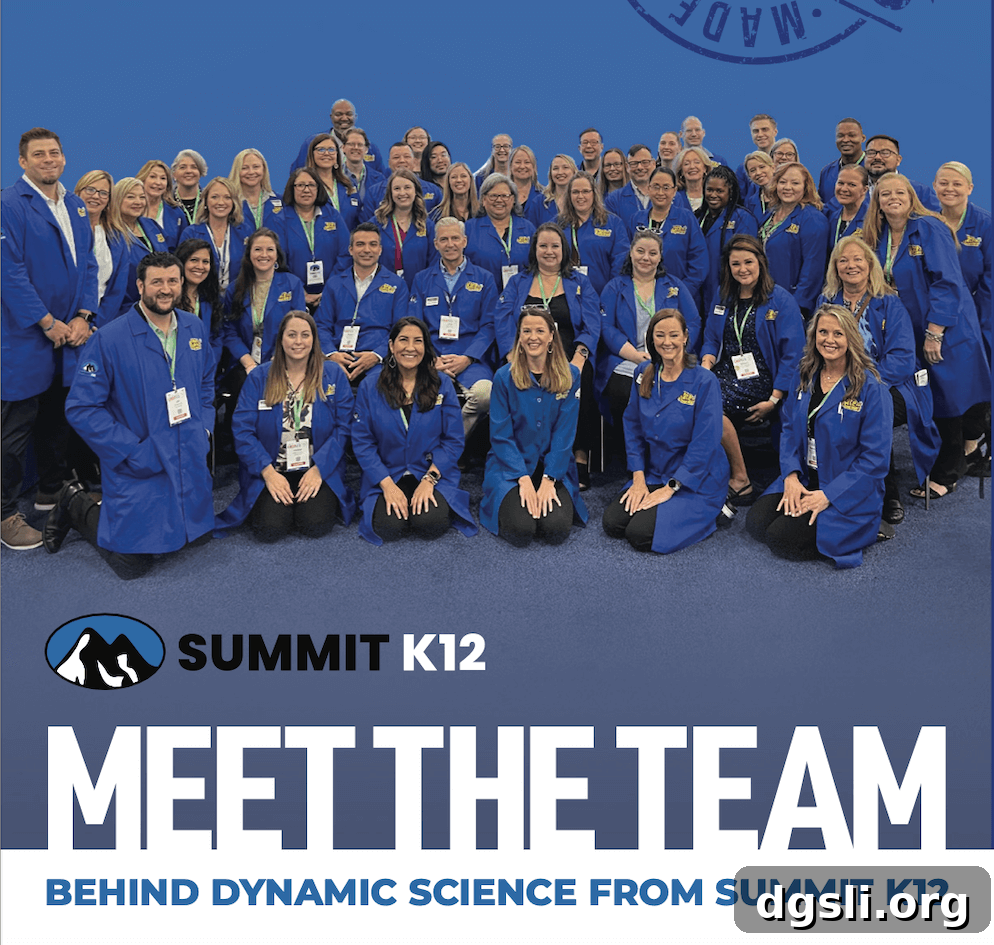
Kresky: The content team includes an experienced editorial and professional development leadership group: past TSELA presidents and board members, a former STAT president, a former NSELA president, and multiple Texas district science directors and coordinators. Over 80 Texas K–12 science authors and editors contributed, and Summit K12 employs 150 Texas-based staff.
Professional Development for all Stakeholders
Shulman: How do you support teacher learning and implementation?
Kresky: Veteran Texas science educator Dr. Linda Cook leads our professional development efforts. We provide implementation webinars, on-site training, synchronous and asynchronous sessions, and resources for teachers, instructional coaches, district coordinators, principals, superintendents, and parents to support a transition to 3D teaching and learning.
Shulman: How can districts experience the professional development offerings?
Kresky: We schedule live training and maintain a webinar series and on-demand modules so districts can select formats that best meet their needs.
Support for All Texas Learners
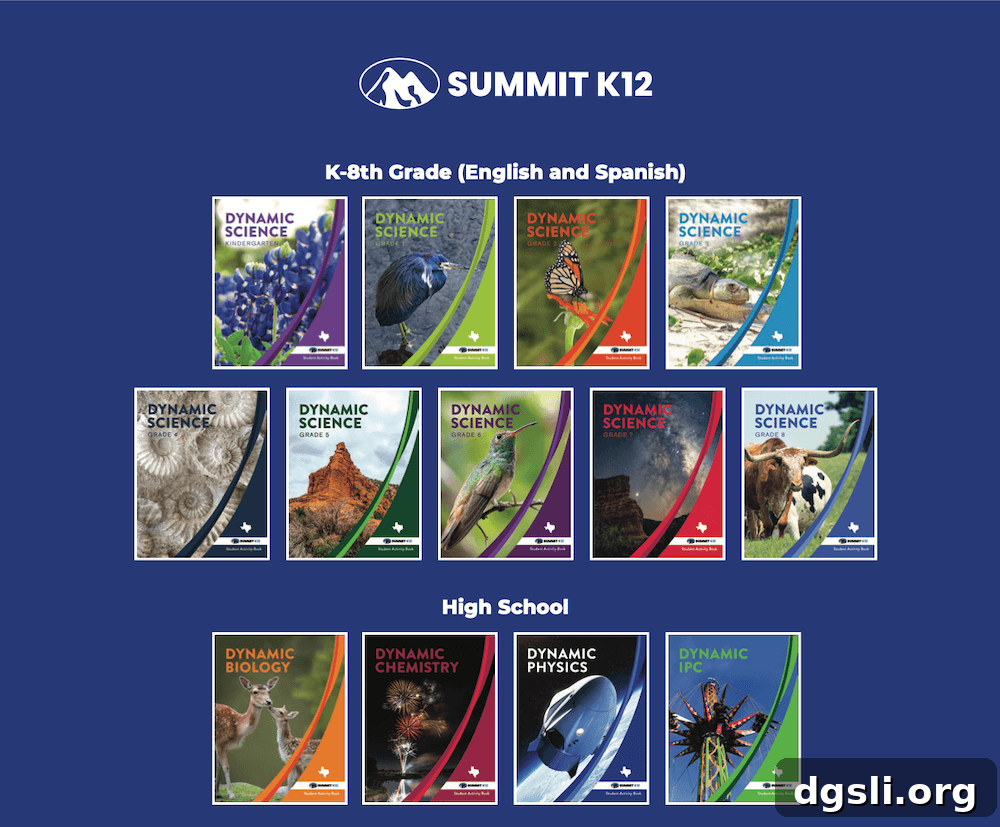
Image by Summit K12©
Dynamic Science was built from the ground up to align with the 2024 Texas Science Proclamation. The courses incorporate updated Science TEKS, ELPS, RTCs, and SEPs, combining science instruction with literacy supports to make learning engaging and accessible. Vertical scaffolds, personalized learning plans, and built-in accommodations enable teachers to differentiate and accelerate learning across grade levels.
To support multilingual and special needs students, Dynamic Science embeds the TEA’s Accessibility Accommodations and Designated Supports and offers K–8 Spanish science courses suitable for multilingual, bilingual, dual-language, and ESL classrooms.
Working with Media and Thought Leaders in Science
Shulman: Who are some of your partners in developing the curriculum?
Kresky: Summit K12 collaborates with state and national science organizations, educators, and thought leaders. Partnerships include organizations and experts who contribute to media, curriculum design, and research-based practices. Dr. Okhee Lee’s research on science and language learning has informed our approach to supporting multilingual learners.
We produced a multi-part interview series with Dr. Lee that discusses contemporary approaches to science education and the intersection of language and disciplinary learning.
Engaging and Motivating All Students to Do Science with ‘Kate the Chemist’
Shulman: Tell us about the ‘Kate the Chemist’ collaboration.
Kresky: Dr. Kate Bieberdorf, a University of Texas professor and science communicator, worked with Summit K12 to co-create TEKS-based pre-lab, full-lab, and scientific phenomenon videos. These resources support K–12 instruction and ignite student curiosity through engaging demonstrations and real-world connections.
Curriculum Differentiation in Science
Shulman: Why is differentiation important in science?
Kresky: Differentiation tailors instruction to student needs, helping teachers identify learning gaps and provide appropriate scaffolds. TEKS-based vertical scaffolds in Dynamic Science are designed to build conceptual understanding across grade levels so all students can access rigorous science learning.
Honoring the Texas State Parks during its 100th Anniversary
To celebrate Texas State Parks’ centennial, Summit K12 partnered with numerous parks to produce TEKS-aligned virtual field investigation videos. These field investigations highlight local phenomena and park-based science, giving students statewide virtual access to natural and engineered sites. An eight-season plan supports ongoing exploration, with the 2024–25 season launching the series.
Science Guarantee
Shulman: What assurances accompany your assessment supports?
Kresky: Dynamic Science includes a patented STAAR Readiness Solution for grades 5, 8, and Biology. The solution is designed to help campuses reach a Domain 1 Science component score greater than 60 (an “A” level) and aligns assessments to new HB3906 items within the Dynamic Science assessment bank.
Relationship Managers you Can Trust Because they Reflect your Values
Kresky: Our District Relationship Managers are former classroom and district leaders who understand Texas schools. They guide districts through materials selection and support the transition to 3D teaching and learning, working alongside teachers and administrators during implementation.
Meet the Support Team at Summit K12
Shulman: How does your customer support team assist educators?
Kresky: Summit K12’s support team provides onboarding and ongoing help throughout the school year via phone and email. Many team members are former K–12 teachers with extensive classroom experience, enabling them to offer practical, classroom-tested guidance that addresses real implementation challenges.
Students
Shulman: How many Texas districts and students do you serve?
Kresky: Summit K12 currently serves 769 Texas school districts, 7,533 schools, 75,088 Texas teachers, and 1,368,112 Texas students.
The Dynamic Science Package
The Dynamic Science package offers a comprehensive set of instructional and assessment resources designed for Texas classrooms. Key features include:
• Student and teacher online access; 3D lesson guides aligned to TEKS, SEPs, and RTCs; teacher training and PD supports; a phenomena master library; instructional TEKS video lessons; TX virtual field investigations; Kate the Chemist lab videos; PHET simulations and virtual labs; science-literacy eBooks incorporating RLA TEKS; TEKS vocabulary mastery resources and image bank; newcomer science lessons and vocabulary; a STAAR Readiness Module for grades 5, 8, and Biology; a TEKS assessment bank with STAAR 2.0 items; personalized learning plans for STAAR review; optional printed teacher editions and 3D student activity workbooks; and optional lab materials kits.
English Language Learning
Shulman: Do your English language programs support other states?
Kresky: Yes. Summit K12 tailors English language learning supports to state expectations. In Texas we align with TELPAS; elsewhere we provide programs and supports tailored to other state assessments and consortiums, adapting materials to local needs.
Kresky: Our mission is to empower Texas to be a national leader in science teaching and learning. We invite districts and educators to review the Dynamic Science materials, meet the team, and consider a partnership for the coming years.
To learn more about Dynamic Science, request a free digital trial, or download program materials, please visit Summit K12’s Dynamic Science information and resource pages available through the publisher.
Summit K12©