
By Carol DeFuria
High school students preparing for future careers need more than technical skills; they need exposure to diverse cultures and perspectives. As our world becomes increasingly interconnected, students who learn to work with people from different backgrounds gain both a competitive edge in the job market and a deeper understanding of their role as global citizens.
Appreciating Diversity
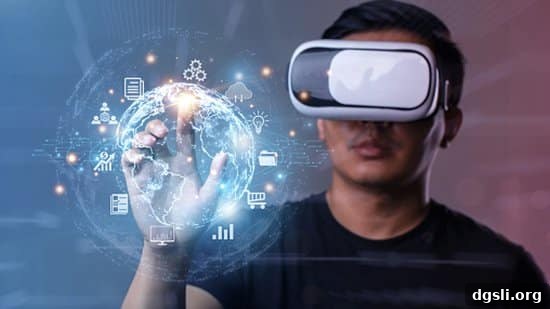
Advances in technology have made the world smaller and more connected, and that connectivity has direct implications for students’ future opportunities. In a global economy, employers value candidates who can communicate and collaborate across cultural lines. With many U.S. companies operating internationally and businesses of all sizes engaging in cross-border trade, cultural competence is no longer optional—it is essential.
Beyond employability, an appreciation for diversity supports the broader development of empathy and civic responsibility. Global events such as public health crises and environmental challenges illustrate how interconnected we are and how much we benefit from collaboration. Students who understand different perspectives are better equipped to contribute to solutions that affect people across nations and cultures.
How Online Learning Can Help
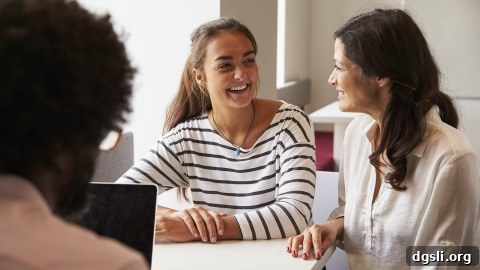
Exposure to varied cultures, ethnicities, and religions encourages students to recognize both differences and shared human values. When students collaborate with peers from around the world, they practice listening, negotiating, and problem-solving in culturally diverse contexts. That exposure builds empathy and confidence: students learn their own strengths and how those strengths can make a positive impact beyond their immediate community.
Students in large cities may experience diversity in daily life, but those in rural or less diverse regions often have more limited opportunities to meet people from different backgrounds. For these students, well-designed online learning programs offer a powerful alternative. Virtual classrooms connect learners across cities, states, and countries so that students who seldom leave their hometowns can engage with a wide range of perspectives without disrupting their regular school schedule.
In global online courses, students work together on projects, participate in discussions, and exchange ideas with classmates from varied cultural and geographic backgrounds. These interactions not only expand subject-matter understanding but also teach practical collaboration skills—how to coordinate across time zones, how to respect different communication styles, and how to integrate diverse viewpoints into a shared outcome. Along the way, many students form friendships that cross borders and deepen their appreciation for global community.
“I go to a really small high school, and so I have been talking to the same people for the past seven years,” one student said after taking AP® Economics online. “Although I love the residents of my school as a whole, it was a breath of fresh air to meet new people and it definitely opened my eyes to whole new ways of thinking.”
“I always look forward to opening up my laptop and thinking, ‘oh, I have another discussion post from my friend in Belgium,’ or seeing a message from my friend in Pittsburgh,” another student shared. “It’s really cool.”
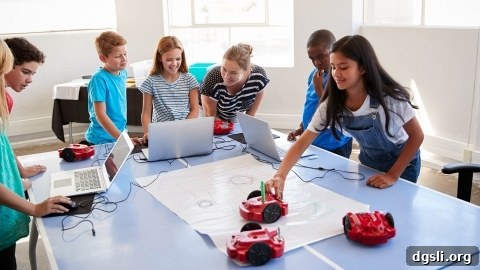
Supplemental online courses can be especially effective when they bring together a diverse cohort of learners in small, interactive classes. These courses allow students to pursue interests in the arts, computer science, world languages, sciences, and humanities while connecting with peers who have similar academic passions but different life experiences. The result is a richer learning environment where students build both knowledge and intercultural skills that are valuable in higher education and the workplace.
Developing respect for diverse perspectives also prepares students to engage thoughtfully with complex global issues. Exposure to multiple viewpoints helps young people assess assumptions, weigh evidence, and craft solutions that consider the needs and experiences of many communities. In short, the experience of learning with a global peer group fosters the critical thinking and collaborative habits that are central to effective citizenship and professional success.
About the Author
Carol DeFuria is the President and CEO of VHS Learning, a nonprofit organization with more than 27 years of experience providing world-class online programs to students and schools everywhere.
This article was originally published by The Learning Counsel, a research institute and news media hub focused on providing context for the shift in education to digital curriculum.