
By Tamara Fyke
This year the pandemic interrupted learning for all three of my children—ages 22, 17, and almost 15—and it exposed how differently students adapt to remote and hybrid education. My oldest son has coped relatively well; many of his college courses were already available online, so the transition was familiar. My 17-year-old daughter deliberately chose a rigorous online high school program that demands regular work and clear deliverables. My youngest son opted to attend classes in person, hoping for stability, but the reality has been anything but dependable.
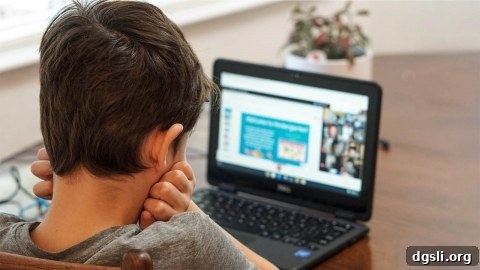
His school began the year virtually, then switched to in-person after nearly a month. By then he had already fallen behind. Absentee rates among both students and teachers remain high because of COVID exposure and quarantines, which makes establishing routines and building relationships difficult. When I observed one of his Zoom classes, he checked in, pointed his camera at the ceiling, and listened to music while playing games on his phone. When I asked if he was paying attention, he smiled and said, “Yeah, Mom.” He admits that he struggles to focus with long Zoom lectures.
I believe much of the engagement problem stems from expecting online instruction to mirror in-person teaching exactly. Long lectures with mandatory note-taking do not translate well to screens. The structure, pacing, and interaction all need to be rethought. Educators have an opportunity to shift how they teach so students develop skills that matter now and in the workplace—skills like autonomy, digital fluency, collaboration, and resilience.
For several years I have advocated for blended learning: a thoughtful mix of in-person and online instruction where teachers act more as coaches and facilitators than sole content experts. This model has proven advantages now that remote and hybrid schooling are widespread. Instead of focusing only on potential learning loss, we can reframe this disruption as a chance to prepare young people for an unpredictable future.
How can schools and families make the most of this moment? Below are practical ideas to increase engagement, deepen understanding, and build transferable skills students will use beyond the classroom.
- Prioritize relationships and consistent communication – Engagement begins with connection. Teachers and staff should invest time in one-on-one check-ins by phone, text, or short video calls to learn who students are, how they learn best, and what barriers they face. Regular, predictable touchpoints build trust, signal care, and make students more likely to seek help when they struggle. Families can support this by maintaining routines and encouraging honest conversations about workload and wellbeing.
- Make classroom learning relevant to work and adulthood – Help students develop a shared vocabulary around skills that matter in adult life, such as responsibility, collaboration, time management, and accountability. For example, define responsibility as “taking ownership of your words and actions.” Guide students to set short- and long-term goals for their learning and future plans, and create clear ways to hold them accountable. Shifting responsibility for performance from teachers to learners fosters independence and prepares students for workplaces that require self-direction.
- Use project-based and interdisciplinary learning to boost deep engagement – Move beyond traditional papers and tests. Design creative, real-world projects with clear rubrics and public presentations. Examples include designing a house in Geometry to apply measurement and scale; creating a historically accurate restaurant concept for Social Studies that requires research and storytelling; or producing a short film or trailer to interpret a novel in English class. These projects demand content mastery and digital skills that extend beyond basic documents and slides. Host virtual exhibitions where students present work to peers, parents, and community members to celebrate learning and build communication skills.
In this COVID era—and for as long as hybrid and remote options remain part of schooling—we can choose to make learning more engaging, meaningful, and future-focused. Students are developing flexibility and resilience through these disruptions; our role is to channel that growth into purposeful learning experiences that prepare them for the next steps in life.
About the author
Tamara Fyke is an educator and social entrepreneur committed to supporting children, families, and urban communities. She created Love In A Big World, a platform that offers mental health, social-emotional learning (SEL), and wellness curriculum and resources. During quarantine, Tamara launched MusiCity Kids, an online educational show for children ages 6–12 that addresses health, movement, character development, STEAM, and related topics.
Tamara is also the editor of the book Building People: Social & Emotional Learning for Kids, Schools & Communities, which brings together a dozen perspectives on SEL for educators, parents, and leaders. She continues to write, consult, and speak about blended learning, student engagement, and community-centered approaches to education. This article was originally published by The Learning Counsel, a research institute and news media hub focused on the shift in education toward digital curriculum.