
By Charles Sosnik
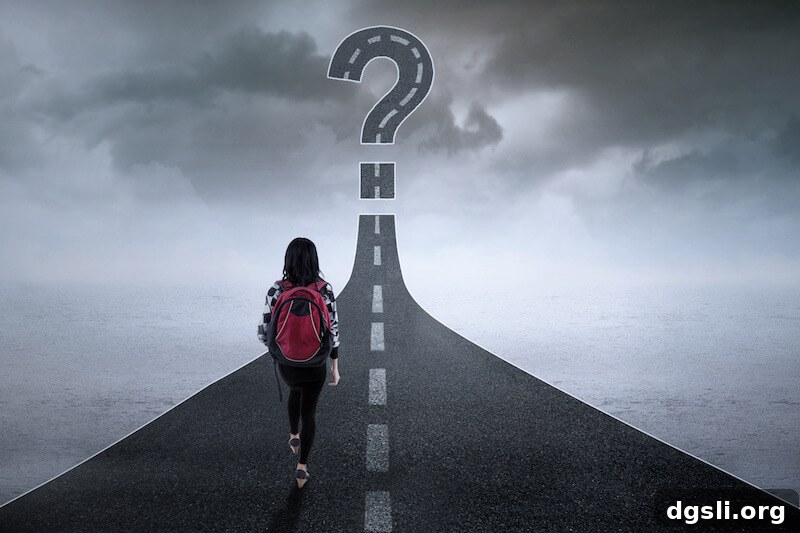
I still remember the moment I heard that question in an interview about five years ago: “Is school necessary?” It nearly knocked me out of my chair. Having grown up in public schools, attended a state college, and spent a large part of my career writing about traditional public education, my immediate, visceral reaction was a confident yes. Why would anyone even ask such an odd question?
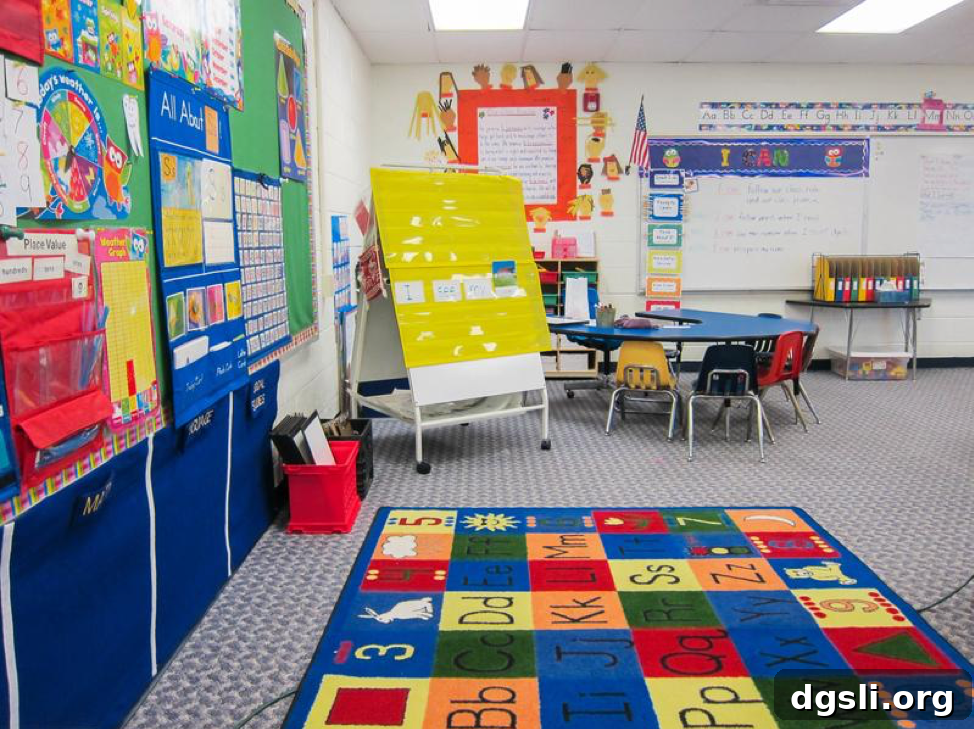
Like many Americans who experienced the conventional school system, I had clear ideas about what school was supposed to be: a familiar rhythm of classrooms, bells, textbooks and teachers standing at the front of the room. That training colored my expectations for a long time. After all, the system worked for me in the world I grew up in, and I turned out all right.
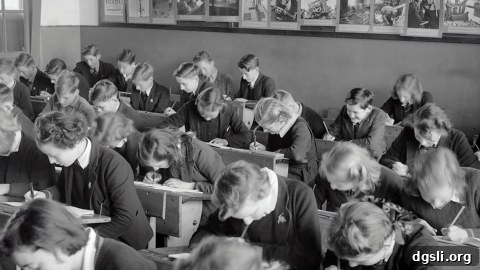
But let’s be honest: I grew up in a different era. I’m in my 60s. My childhood world included Mad Men, Bewitched and Sean Connery as James Bond. Computers filled whole rooms and had far less power than the phone I carry now. By today’s standards, much of that school experience looks quaint — even laughable. We sat for 55-minute periods, listened to what the teacher knew, and moved on when a bell rang. If a class relied on a textbook, you could read ahead and the class became redundant.
Still, despite the system’s limitations, there were brilliant teachers who loved their work and cared deeply about their students. In seventh-grade science we walked down to a creek to collect rocks and examine layers of strata; we asked what forces of heat and pressure had formed them. For astronomy, our parents drove us to school at night for a look through a telescope. We took field trips to Washington, D.C., sat in the Capitol Gallery, watched money printed at the Bureau of Engraving, and visited the Lincoln Memorial. Those experiences sparked real curiosity.
What made school special then wasn’t merely receiving facts from an authority figure. It was the wonder of discovery: using imagination, wrestling with questions, filling in gaps through effort. The closest tools to Google were encyclopedias and the library. Knowledge wasn’t instantaneous; you worked for answers, and finding them delivered genuine delight and satisfaction.
The great advantage today is that teachers no longer have to be the sole repositories of knowledge. Technology places the world’s information at students’ fingertips, but that doesn’t eliminate the teacher’s role. A skilled educator can still inspire curiosity, frame meaningful questions, and create experiences that go beyond a simple search. A virtual visit to the Smithsonian or an interactive simulation of a coral reef can be as transformative as a physical trip, and sometimes more accessible.
I remember visiting the Smithsonian as a child and spending days exploring it. The 90-foot blue whale hanging from the ceiling felt monumental to me then; I can only imagine how awe-inspiring a virtual or augmented reality encounter would be for a child today.
So, is school necessary? My short answer: yes and no. The truth is that school is becoming what we make it. The physical building and the daily routine will remain valuable for many children because of the social learning, shared experiences and structure they provide. At the same time, geography no longer dictates access to content or expertise. Hybrid models — a mix of learning from home, in small groups, and in centralized settings — are increasingly logical. Students benefit from whole-group instruction, small collaborative projects, individualized study, and on-demand teaching from educators both near and far.
Traditional schooling is changing rapidly. Upcoming years will bring more blended learning, more project-based work, and greater use of remote experts and digital resources. These changes won’t erase schools; they will redefine them. When done well, the experience will be richer, more personalized and often more inspiring than what many remember from the past.
With modern tools, no single homeschooling environment can match the resources schools can provide at scale — and many schools are still adapting. But they will progress. The teaching profession will evolve, become more attractive and more competitive, and teacher preparation programs will reflect new expectations and opportunities.
In our lifetimes — and likely in our children’s lifetimes — schools will continue to exist and be seen as necessary institutions. But the meaning of “school” will shift. Where public schooling began as a privilege and an organized approach to preparing citizens, it will again become an intentional experience that children and families choose for the social, emotional and experiential parts of learning. Basic literacy and numeracy might be achievable at home at an earlier age, but the shared journey of discovery, mentorship and community that school offers will remain a distinct and valuable story.
About the author
Charles Sosnik is an education journalist and editor who serves as Editor in Chief at The Learning Counsel. An EP3 Education Fellow, he draws on deep roots in the education community to add context to the evolving education narrative. Charles is a frequent writer and columnist for influential education media, including the Learning Counsel, EdNews Daily, EdTech Digest and edCircuit. Unabashedly Southern, he often says he is an editor by trade and Southern by the grace of God.